All Programs
Contact Info
+237 6 76 52 62 53
Mile 18 road Wonya Mavio, Buea, Cameroon
nanjaifonkem@gmail.com
Info File
Environmental Protection Program: Safeguarding Our Planet for Future Generations
Executive Summary
FAPS-DEV (Fighting Against Poverty for Sustainable Development.) is dedicated to the protection and conservation of the natural environment through our comprehensive Environmental Protection Program. This initiative aims to conserve natural resources, restore damaged ecosystems, and promote sustainable practices among communities. Key components of our program include tree planting, plastic waste reduction, and improving water and sanitation hygiene. By fostering a culture of environmental stewardship, we aim to combat climate change, protect marine life, and create cleaner, healthier communities. Our program not only addresses immediate environmental concerns but also empowers individuals with the knowledge and skills to make a lasting impact on their surroundings.
Project Objectives
- • Conserve Natural Resources: Promote sustainable practices that protect and conserve biodiversity, forests, and water resources.
- • Enhance Community Awareness: Educate communities about environmental issues and the importance of protecting natural ecosystems.
- • Promote Tree Planting: Implement tree planting initiatives to restore degraded areas, improve air quality, and combat climate change.
- • Reduce Plastic Waste: Advocate for responsible waste management, recycling, and the reduction of single-use plastics to protect land and marine environments.
- • Improve Hygiene and Sanitation: Enhance access to clean water and proper sanitation facilities to promote community health and environmental sustainability.
Needs Assessment
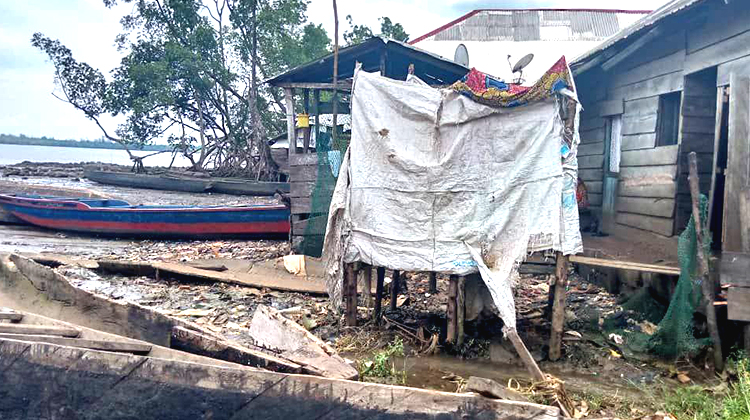
To effectively address the environmental challenges faced by the communities we serve, FAPS-DEV conducted a thorough needs assessment. The findings highlighted several critical issues:
- • Deforestation and Habitat Loss: Rapid urbanization and agricultural expansion have led to significant deforestation and loss of biodiversity in many areas.
- • Plastic Pollution: Coastal regions are increasingly affected by plastic waste, harming marine life and degrading natural habitats.
- • Water Scarcity and Contamination: Many communities face challenges related to access to clean water and proper sanitation, contributing to health risks and environmental degradation.
- • Lack of Environmental Awareness: There is a significant gap in understanding environmental issues and sustainable practices among community members.
- • These findings underscore the urgent need for targeted environmental protection initiatives that promote awareness, conservation, and sustainable practices.
Training Curriculum
The Environmental Protection Program’s curriculum is designed to be comprehensive, practical, and community-oriented. It includes the following key components:
- Tree Planting and Reforestation
- Understanding Ecosystems: Education on the importance of trees in maintaining healthy ecosystems and combating climate change.
- Tree Planting Techniques: Training on proper planting methods, species selection, and maintenance of young trees.
- Community Reforestation Projects: Engaging participants in hands-on tree planting initiatives in local communities.
- Plastic Waste Reduction
- Impact of Plastic Pollution: Educating participants about the environmental consequences of plastic waste on land and marine ecosystems.
- Recycling and Waste Management: Teaching proper waste disposal methods and encouraging recycling initiatives within communities.
- Community Clean-Up Campaigns: Organizing local clean-up events to remove plastic waste from natural areas and promote community involvement.
- Hygiene, Water, and Sanitation
- Importance of Clean Water: Training on the significance of clean water access and its impact on community health.
- Sanitation Practices: Educating participants about proper sanitation practices and the importance of hygiene in preventing disease.
- Water Conservation Techniques: Promoting methods for conserving water resources and reducing contamination.
Training Methods
Our training methods are designed to be engaging, participatory, and culturally relevant. Key methods include:
- Workshops and Interactive Sessions: Facilitated discussions and hands-on activities that encourage participation and knowledge sharing.
- Field Activities: Practical experiences such as tree planting events and community clean-up initiatives to reinforce learning.
- Peer Education: Training community members to become environmental advocates, spreading knowledge and encouraging sustainable practices.
- Visual and Multimedia Tools: Utilizing videos, posters, and social media campaigns to enhance understanding and promote environmental awareness.
Resources Required
To successfully implement the Environmental Protection Program, we will require the following resources:
- Trainers and Environmental Educators: Skilled professionals with expertise in environmental science, waste management, and community engagement.
- Educational Materials: Pamphlets, posters, and digital resources to support training sessions and community outreach.
- Planting Materials: Access to tree seedlings, tools, and equipment necessary for planting and maintaining trees.
- Funding: Financial resources to cover operational costs, including materials, training sessions, and outreach activities.
Evaluation and Assessment
To measure the effectiveness of our Environmental Protection Program, we will implement a robust evaluation framework that includes:
- Pre- and Post-Training Assessments: Evaluating participants’ knowledge and attitudes before and after training to measure progress.
- Community Surveys: Conducting surveys to assess changes in environmental behaviors and awareness levels following program implementation.
- Feedback Mechanisms: Collecting feedback from participants to identify strengths and areas for improvement in the program.
- Longitudinal Follow-Up: Conducting follow-up assessments to track the long-term impact of environmental education initiatives on community practices.
Risk Management
Identifying and addressing potential risks is crucial for the success of our program. Key risks include:
- Participant Engagement: To mitigate dropout rates, we will implement ongoing support and mentorship to keep participants motivated.
- Cultural Barriers: Addressing misconceptions and resistance to change through community dialogue and culturally sensitive approaches.
- Resource Limitations: Seeking partnerships with local organizations and businesses to secure additional funding and resources.
Sustainability Plan
Ensuring the long-term sustainability of the Environmental Protection Program is vital for its success. Our sustainability plan includes:
- Community Ownership: Involving community members in program design and implementation to foster a sense of ownership and commitment.
- Alumni Network: Establishing a network of program graduates who can support one another and contribute to future environmental initiatives.
- Partnerships: Collaborating with local environmental organizations, government agencies, and NGOs to secure ongoing funding and resources.
- Continuous Learning: Regularly updating the curriculum to reflect the latest environmental information and best practices, ensuring that participants remain informed.
Conclusion
The Environmental Protection Program at FAPS-DEV is more than just an initiative; it is a movement toward a sustainable future. We invite you to join us on this vital journey. Whether you are a community member eager to learn about environmental practices or a supporter looking to make a difference, your involvement is crucial.
Imagine a world where communities thrive in harmony with nature, where clean waters flow, forests flourish, and plastic pollution is a thing of the past. This vision is achievable, but it requires collective effort and commitment.
Join us today in our Environmental Protection Program and help us spread the essential knowledge that can lead to a healthier planet. Together, we can create a future where every individual is empowered to take action for the environment, fostering a cleaner, greener, and more sustainable world. Your participation can make a significant impact on the lives of many!
Copyright © Avas WordPress Theme | All rights reserved.