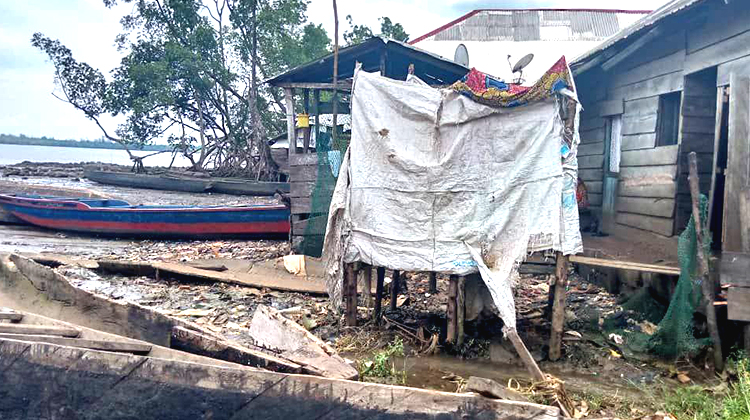
The Importance of Environmental Protection and Preservation
In an age where environmental challenges are becoming increasingly urgent, the need for effective environmental protection and preservation has never been more critical. From climate change to deforestation, pollution to biodiversity loss, our planet faces numerous threats that require immediate action. Understanding the importance of environmental protection and preservation is essential for ensuring a sustainable future for generations to come.
What is Environmental Protection?
Environmental protection refers to the measures taken to safeguard the natural environment against degradation and harm. This includes efforts to mitigate pollution, conserve resources, and protect ecosystems and wildlife. The ultimate goal is to create a balance between human needs and the health of the planet, ensuring that natural resources are available for future generations.
Why is Environmental Protection Important?
Preservation of Biodiversity: Biodiversity is vital for maintaining healthy ecosystems. Every species, no matter how small, plays a role in the balance of nature. Protecting the environment helps preserve the habitats of countless species, ensuring that ecosystems remain resilient and functional.
Combatting Climate Change: Climate change is one of the most pressing issues of our time. Environmental protection initiatives, such as reducing greenhouse gas emissions and promoting renewable energy, are crucial in combatting climate change. By transitioning to sustainable practices, we can reduce our carbon footprint and mitigate the impacts of global warming.
Public Health: Pollution is a significant threat to public health. Contaminated air, water, and soil can lead to a range of health issues, from respiratory diseases to cancer. Environmental protection efforts aim to reduce pollution levels, ensuring healthier communities and improved quality of life.
Sustainable Resource Management: Our natural resources are finite, and unsustainable practices can lead to depletion. Environmental protection focuses on sustainable resource management, promoting the responsible use of resources such as water, minerals, and forests. This ensures that future generations can also benefit from these vital resources.
Economic Benefits: Investing in environmental protection can lead to economic growth. Sustainable practices can create jobs, boost local economies, and reduce costs associated with pollution and resource depletion. For example, the renewable energy sector has seen significant job growth in recent years as more communities shift towards sustainable energy sources.
What is Environmental Preservation?
Environmental preservation goes a step further than protection; it involves safeguarding natural resources and ecosystems in their untouched state. This means maintaining areas in their natural condition, without human intervention. Preservation is often focused on protecting specific habitats, endangered species, and areas of ecological significance.
Why is Environmental Preservation Important?
Cultural and Historical Significance: Many natural areas hold cultural and historical significance for indigenous communities and local populations. Preserving these areas ensures that cultural heritage is respected and maintained.
Ecosystem Services: Healthy ecosystems provide invaluable services, such as clean air and water, climate regulation, and pollination of crops. By preserving these ecosystems, we ensure that these services continue to benefit humanity.
Scientific Research: Preserved natural environments serve as living laboratories for scientific research. Studying these areas helps us understand ecological processes, species interactions, and the impacts of climate change, providing valuable insights for conservation efforts.
Recreation and Tourism: Natural areas attract millions of visitors each year for recreational activities like hiking, birdwatching, and eco-tourism. Preservation efforts contribute to the economy by supporting tourism and providing outdoor experiences for people to connect with nature.
How Can We Contribute to Environmental Protection and Preservation?
Reduce, Reuse, Recycle: Minimize waste by adopting the three Rs. Reduce your consumption, reuse items whenever possible, and recycle materials to decrease landfill waste.
Support Sustainable Practices: Choose products from companies that prioritize sustainable practices. Support local and organic farmers, and consider reducing your meat consumption to lower your carbon footprint.
Conserve Water and Energy: Simple actions, such as fixing leaks, using energy-efficient appliances, and turning off lights when not in use, can significantly reduce your environmental impact.
Get Involved: Join local environmental groups or volunteer for conservation projects. Participation in initiatives such as tree planting, clean-up drives, or advocacy efforts can make a positive difference in your community.
Educate Others: Share your knowledge about environmental issues with friends and family. Raising awareness can inspire others to take action and contribute to a collective effort toward protection and preservation.
Conclusion
Environmental protection and preservation are vital for maintaining the health of our planet and ensuring a sustainable future. By understanding the importance of these efforts and taking proactive steps in our daily lives, we can contribute to a healthier environment. Together, we can protect our natural resources, preserve biodiversity, and create a world where both nature and humanity can thrive. At FAPS Development, we are committed to promoting environmental sustainability and empowering communities to take action for a better future. Join us in our mission to protect and preserve the planet for generations to come.
Hi, this is a comment.
To get started with moderating, editing, and deleting comments, please visit the Comments screen in the dashboard.
Commenter avatars come from Gravatar.