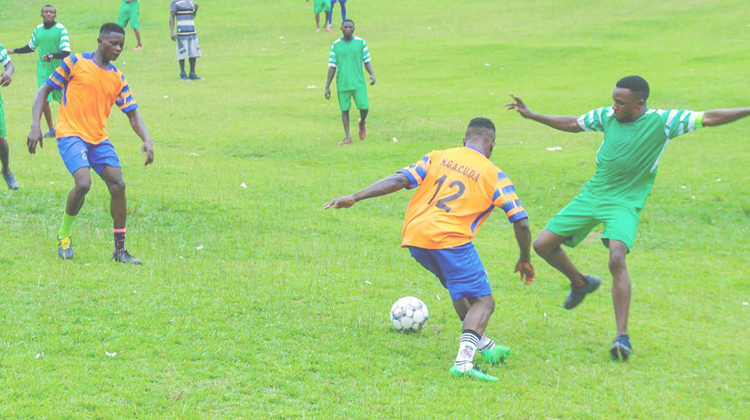
The Synergy Between Vocational Training and Sporting Activities
In today’s rapidly changing job market, vocational training has emerged as a vital pathway for individuals seeking to acquire practical skills for specific careers. However, the benefits of vocational training extend beyond traditional education and into diverse fields, including sports. Integrating vocational training with sporting activities can create unique opportunities for personal development, career advancement, and community engagement.
Understanding Vocational Training
Vocational training, or vocational education and training (VET), prepares individuals for specific careers by providing hands-on skills and practical knowledge applicable to various industries. Unlike traditional academic routes, vocational training focuses on equipping students with the competencies needed to enter the workforce quickly. Programs can range from technical skills in fields like plumbing and electrical work to services such as healthcare and culinary arts.
Key Features of Vocational Training
Practical Skills Development: Vocational training emphasizes experiential learning, allowing students to engage directly in real-world scenarios. This hands-on approach ensures they are job-ready upon completion.
Industry-Relevant Education: Programs are tailored to align with the specific needs of industries, ensuring that the curriculum meets current job market demands.
Diverse Career Paths: Vocational training encompasses a wide range of career options, including skilled trades, healthcare, and information technology, catering to various interests and talents.
The Role of Sporting Activities
Sporting activities play a significant role in personal and social development. They promote teamwork, discipline, and physical fitness, while also providing avenues for stress relief and social interaction. Engaging in sports can enhance an individual’s life skills, which are essential in both personal and professional contexts.
Benefits of Sporting Activities
Physical Health: Regular participation in sports contributes to overall physical health, reducing the risk of chronic diseases and improving mental well-being.
Life Skills Development: Sports teach valuable life skills such as leadership, communication, and teamwork. These skills are transferable to the workplace, making individuals more competitive job candidates.
Community Building: Sports foster a sense of community and belonging. They bring individuals together, promoting collaboration and camaraderie, which can extend into the workplace.
The Intersection of Vocational Training and Sports
Combining vocational training with sporting activities can yield numerous benefits, creating a holistic approach to personal and professional development. Here are some ways in which these two fields intersect:
- Skill Development
Vocational training programs can incorporate sports-related skills, such as coaching, sports management, and athletic training. Students interested in sports can gain qualifications that prepare them for careers in fields like sports science, physical education, and fitness training. - Career Opportunities
The sports industry offers a range of vocational career paths, including roles in coaching, sports administration, event management, and sports marketing. By providing vocational training in these areas, individuals can pursue fulfilling careers while merging their passion for sports with their professional aspirations. - Enhanced Employability
Engaging in sports can enhance an individual’s employability by showcasing their ability to work in teams, manage time effectively, and maintain a disciplined lifestyle. These attributes are highly valued by employers in various industries, including those outside of sports. - Community Engagement
Vocational training programs that incorporate sports can strengthen community ties. Initiatives that offer vocational skills training through sports can attract youth and marginalized individuals, providing them with opportunities to develop skills while promoting physical activity and teamwork. - Health and Well-Being
Combining vocational training with sports can also improve health outcomes. Individuals who engage in regular physical activity are more likely to experience improved mental health and increased productivity, which can enhance their performance in vocational training programs.
Supporting Initiatives
At FAPS Development, we recognize the importance of integrating vocational training with sporting activities. Our programs aim to empower individuals by providing them with both the practical skills needed for employment and the life skills learned through sports. By fostering a holistic approach, we are committed to helping individuals build brighter futures.
How You Can Help
Supporting initiatives that combine vocational training and sports can make a significant difference in communities. You can contribute by:
Volunteering: Get involved with local programs that offer vocational training and sports activities.
Donating: Financial contributions can help fund training programs and sports initiatives for underserved communities.
Spreading Awareness: Share information about the benefits of vocational training and sports to encourage participation and support.
Conclusion
The synergy between vocational training and sporting activities offers a unique approach to personal and professional development. By integrating these two fields, individuals can gain valuable skills, explore diverse career opportunities, and foster community connections. At FAPS Development, we are dedicated to empowering individuals through our programs, and we invite you to join us in making a positive impact in the lives of those we serve. Together, we can create a brighter future for all.